
Best AI Models Right Now: Coding, Agents, and Everyday Picks (November 2026)

By Nathan Cole
MyClaw Editorial
MyClaw
Run Best-in-Class AI Agents Now
Run OpenClaw or Hermes Agent on managed MyClaw hosting, so your AI agent stays online, updated, and ready for real work.
AI Takeaway
- What are the best ai models right now? No single forever winner—as of early November 2026, frontier boards cluster Claude Opus 5.5, Gemini 4 Carbon, GPT-6 Astra, and GPT-6.1 Sol within a tight band (BenchLeader as of 2 Nov 2026).
- What is the best ai model right now for coding? Claude Opus 5.5 leads BenchLeader’s coding category (80.6 as of 2 Nov 2026); Claude Sonnet 5.5 and GPT-6.1 Sol sit close behind for day-to-day agent coding.
- Best ai models for coding right now if you need mid-tier? Prefer Sonnet 5.5 or GPT-6.1 Sol, then re-run your own frozen ticket set—public gaps are often inside noise.
- How should you choose? Match the job (coding agents, chat/writing, high-volume extract) to a dated board, then to your eval pack; refresh monthly.
- Where MyClaw fits? Always-on OpenClaw/Hermes on models you already use—including GPT-6.1 Sol, Claude Sonnet 5/5.5, Haiku 5.5, DeepSeek V4.1 Flash, and MiniMax M3/M3.1 Flash—for digests and ops hygiene.
Best AI Models Right Now at a Glance
The phrase best ai models right now (and the singular best ai model right now) almost always means “best for which job, on which dated board?” As of 2026-11-03, independent aggregators still show a tight frontier rather than a runaway leader. BenchLeader’s overall index (as of 2 Nov 2026) puts Claude Opus 5.5 (max) at 69.2, Gemini 4 Carbon (high) at 68.9, GPT-6 Astra at 68.2, and GPT-6.1 Sol (max) at 67.2, with Claude Sonnet 5.5 (max) at 65.1. Brandon Lazovic’s November 2, 2026 job guide and Artificial Analysis–style daily boards dated November 2, 2026 line up with that picture: pick by workload, cite the as-of date, and treat gaps inside a few points as noise.
When the shortlist shifts toward mainland open stacks, treat that lane as its own shortlist rather than stretching this frontier snapshot.
| Job (snapshot 2026-11-03) | Leading pick (labeled) | Strong mid-tier / alternate (labeled) |
|---|---|---|
| Overall quality | Claude Opus 5.5 — BenchLeader Index 69.2 (as of 2 Nov 2026) | Gemini 4 Carbon 68.9; GPT-6 Astra 68.2; GPT-6.1 Sol 67.2 |
| Coding / agent coding | Opus 5.5 — coding score 80.6 (BenchLeader coding, 2 Nov 2026) | Sonnet 5.5 72.3; GPT-6.1 Sol 71.9; Lazovic TB4.0 Opus 64.8% / Sonnet 61.8% / Sol 58.2% (Nov 2, 2026) |
| Everyday agents | Claude Sonnet 5.5 — BenchLeader “best for agents” hub (2 Nov 2026) | GPT-6.1 Sol as strong OpenAI mid (Index 67.2) |
| High-volume helpers | Claude Haiku 5.5 — Lazovic high-volume tier (Nov 2, 2026) | Pair with Sonnet/Sol on hard steps; run your own 50-row check |
| Open-weights lane | Kimi K3 — BenchLeader best open-weights hub (2 Nov 2026) | DeepSeek V4.1 Flash 1017 on the same dated boards—label license and API vs self-host |
Effort tiers (max/high) and agent harnesses change scores. Quote the board name and date whenever you reuse a number in a design review or vendor bake-off.
Best AI Models for Coding Right Now
For best ai models for coding right now, start with BenchLeader’s coding category as of 2 Nov 2026: Claude Opus 5.5 (max) at 80.6, Gemini 4 Carbon (high) at 75.0, Claude Sonnet 5.5 (max) at 72.3, and GPT-6.1 Sol (max) at 71.9. That ranking blends several coding boards in the index—it is orientation, not a promise that Opus clears every ticket in your repo.
Lazovic’s Terminal-Bench 4.0 snapshot (updated November 2, 2026) shows Opus 5.5 at 64.8% tasks solved, Sonnet 5.5 at 61.8%, and GPT-6.1 Sol at 58.2%, with large differences in full-run token spend on that page. Those rows measure model plus agent software together, so copy the harness name into your notes before you lock a default. For day-to-day agent coding—well-scoped PRs, test fixes, and iterative refactors—Sonnet 5.5 and GPT-6.1 Sol are the practical mid-tier defaults; reserve Opus-class runs for long, ambiguous trajectories you will actually re-score on your own suite.
Deepen the mid-tier read with Sonnet 5.5 and GPT-6.1 Sol. Freeze one ticket pack (same repos, timeouts, stop rules) before you swap SKUs, then compare unfinished runs and human interventions—not chat preference alone. If screenshots or UI traces are first-class inputs, add a multimodal check to that pack instead of trusting text-only coding composites.
Everyday Agents and High-Volume Helpers
BenchLeader’s “best for agents” hub (as of 2 Nov 2026) highlights Claude Sonnet 5.5 for agent workloads. Many teams already split the stack that way: Sonnet or GPT-6.1 Sol on planning and hard tool loops, a lighter model on search, tagging, and extract steps.
For high-volume classification and extraction, Lazovic (November 2, 2026) points at Claude Haiku 5.5 and GPT-6 Luna as capable low list-price tiers with no public head-to-head rank—so run a 50-row spot check on your own schema before you lock a pipeline. Watch long-prompt pricing cliffs on vendor pages; list price per million tokens is not the same as cost per finished batch. See Claude Haiku 5.5 for the small-model lane, then keep prompts, tools, and stop sequences versioned per SKU so a Haiku helper never silently inherits Sonnet stop rules.
Frontier Cluster Beyond One Winner
So what is the best ai model right now if you only read overall indexes? On BenchLeader as of 2 Nov 2026, Opus 5.5 (69.2), Gemini 4 Carbon (68.9), and GPT-6 Astra (68.2) sit inside a narrow band; GPT-6.1 Sol (67.2) tracks just behind. A Collective Brain daily Artificial Analysis board dated November 2, 2026 shows Carbon at Intelligence Index 59, Opus 5.5 at 58, Astra at 57, Sol at 55, and Sonnet 5.5 at 54—useful as a secondary dated cross-check, not a replacement for job-specific boards.
GPT-6.1 Terra appears on the same November snapshots as a mid-tier OpenAI option with a lower published list price than Astra on Lazovic’s November 2, 2026 table and a competitive BenchLeader index among recent releases—yet coding rows can lag overall index moves, so do not promote it on index alone. For a dedicated flagship rematch, see GPT-6 Astra vs Fable 5.1; keep this article as the dated landscape hub and refresh the table when the boards move. Re-check effort settings when you compare two index rows—max versus high can move a model more than a one-point gap suggests.
Automate Model Trials Without Extra Servers
Public boards refresh often; your accept criteria should not. Park overnight repository digests, failed-job queues, and same-ticket A/B runs across two SKUs so you compare interventions under identical permissions and timeouts. Log which model, which effort tier, and which harness you used on each run. Wire that loop with OpenClaw Getting Started, then compare managed hosting patterns in Best Hermes Agent Hosting so trials keep running after the laptop closes.
Run Always-On Agents With MyClaw
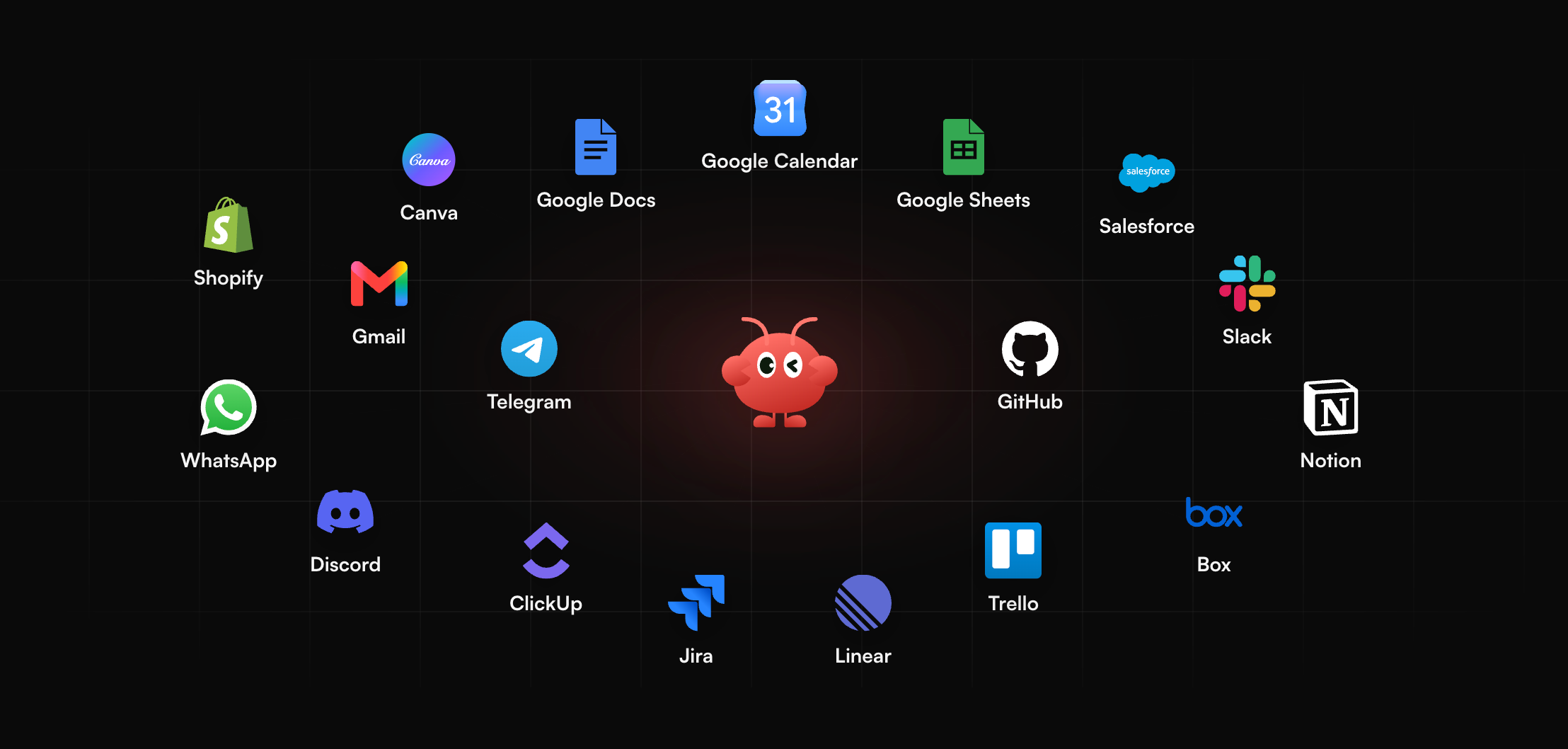
MyClaw is managed OpenClaw/Hermes agent hosting: always on, scheduled jobs, no server for you to babysit. It works with most popular models you already use—including GPT-6.1 Sol, Claude Sonnet 5 and Sonnet 5.5, Claude Haiku 5.5, DeepSeek V4.1 Flash, and MiniMax M3 or M3.1 Flash when those are the SKUs on your team’s allowlist.
A tech lead can park an overnight repository digest that lists failing CI jobs, stale pull requests, and docs pages returning errors, then drops the summary in chat before standup. An ops owner can schedule a weekday morning hygiene pass—broken internal links, expired runbook steps, queues past a retry threshold—and a Friday model-trial digest that reruns the same frozen ticket set on two allowed models. Connect the models and skills you have permission to use; expand later when the jobs are stable.
- Create a MyClaw workspace and connect the models and skills you are already authorized to use.
- Define the recurring work—repo digests, link checks, pipeline or queue hygiene, or same-ticket model trials—and attach schedules so the agent keeps running after you close the laptop.
- Review logs and tighten prompts or tools as the jobs stabilize; change models only when you are ready to re-validate the same evaluation set.
Conclusion
The best ai models right now are a dated job map, not a permanent crown: Opus 5.5 still leads many overall and coding composites as of early November 2026, while Sonnet 5.5, GPT-6.1 Sol, Haiku 5.5, and open-weight lanes cover everyday agents, mid-tier coding, volume work, and self-host options. Cite BenchLeader (2 Nov 2026), Lazovic (Nov 2, 2026), and any secondary board by name, then trust your frozen eval pack over a one-point index gap. For always-on digests and hygiene around that choice, MyClaw keeps OpenClaw/Hermes agents scheduled on the models you already run.
Skip the Setup, Run Best-in-Class AI Agents Now
Launch a managed OpenClaw or Hermes Agent workspace in minutes, with always-on hosting, updates, and support handled by MyClaw.