Delve AI Review: Features, Pricing, Pros and Cons

By Nathan Cole
MyClaw Editorial
MyClaw
Run Best-in-Class AI Agents Now
Run OpenClaw or Hermes Agent on managed MyClaw hosting, so your AI agent stays online, updated, and ready for real work.
AI Takeaway
- What is Delve AI? A market research platform for generating audience personas, chatting with digital twins, and conducting synthetic research.
- Who should consider it? Marketing, product, and research teams that need to turn customer data or research material into useful audience segments.
- Is Delve AI free? A limited free tier is available. Paid costs vary by persona product, data volume, and research usage.
- Can it replace customer interviews? Use synthetic responses to explore ideas and improve questions. Validate consequential findings with real customers or behavioral evidence.
- Is it worth paying for? Consider a paid pilot when organizing audience evidence takes too much time. Judge it by useful findings and review effort, rather than the number of personas generated.
What Is Delve AI, and Who Is It For?
Delve AI is an AI market research and marketing platform built around audience personas. It turns source data into profiles, makes those profiles conversational through digital twins, and supports research with synthetic participants.
Its strongest use case is making existing evidence easier to work with. A product marketer could compare buyer segments before rewriting onboarding messages. A research team could organize interview material, identify unanswered questions, and prepare its next study.
If you have little customer evidence, start with an exploratory question rather than expecting proof of demand from a generated profile.
This review assesses published documentation and pricing. It does not include hands-on testing or an independent accuracy benchmark.

Delve AI Features: From Audience Data to Synthetic Research
Personas Built From Different Data Sources
The right Delve AI product depends on what you know about your audience. Website Persona uses Google Analytics data to describe visitors and buyers, with segmentation and sample journeys. Customer Persona uses customer data to build profiles through enrichment and automatic segmentation. Research Persona works from research material or descriptions of audience segments and concepts.
Choose the source that matches your question. Website behavior can help identify where different visitors go; interviews may explain why a message confuses them. Putting either into a persona format makes it easier to discuss, but does not make the two sources interchangeable.
Social Persona adds social-audience insights. Competitor Persona supports audience comparisons and research into competitors’ keywords and strategies. These modeled profiles can help you form hypotheses about competing audiences.
For questions about changing offers or positioning, combine audience research with ongoing competitor monitoring of public pricing, launches, and messaging.
Digital Twins and Synthetic Research
Delve AI digital twins make personas conversational. You can ask about potential objections, content preferences, or reactions to an offer, then explore follow-up questions.
Synthetic research extends that exploration into surveys and interviews with generated participants. For example, a team could compare two positioning concepts, identify confusing language, and use the output to improve a real interview guide.
The useful output is a sharper hypothesis or a better study design. Synthetic agreement cannot establish actual customer preference; Delve describes synthetic interviews as complementary to traditional research.
Marketing Advisor adds channel-specific recommendations based on persona insights. Those suggestions can inform a campaign brief; their value still depends on execution and measurement.

Delve AI Pricing: Free Access, Paid Plans, and Extra Costs
Delve AI pricing separates persona subscriptions from research usage and bundles. These displayed prices were checked on November 4, 2026; all subscription figures below use monthly billing.
| Product | Displayed monthly price | Included scope |
|---|---|---|
| Website + Competitor Persona | $89 | One website, 15,000 monthly visits, two competitor domains |
| Research Persona | $99 | Up to three segments and 10 MB of uploaded data |
| Customer Persona | $470 | Up to 1,000 customer records |
| Research Essential Bundle | $317 | Five research segments, 20 MB of data, 100 synthetic users, and 5,000 chat credits |
The free tier includes one Audience Persona, one Website Persona based on at least three days of historical data, and 50 Digital Twin chat credits. It has no fixed trial period. Use it to inspect the output and interface before deciding what a larger evaluation needs.
Additional costs include Digital Twin credit purchases starting at $39 for 2,000 credits with automatic recharge. Synthetic users are listed at $99 per 100 users, with usage-based charges for surveys and interviews. Check what your selected bundle already includes before adding these costs.
Match the purchase to the task: analytics-led segmentation points toward Website Persona; organizing interviews or reports points toward Research Persona. A synthetic study requires budgeting for participants and study usage as well. The $317 bundle is a displayed offer, and traffic tiers, record limits, and billing terms can change the total.
Include staff review and customer validation when estimating the cost of a useful finding.
Delve AI Pros and Cons
Strengths
- Structured audience analysis. Segmentation and persona profiles give teams a consistent way to discuss customer groups and their differences.
- Several starting points. Website, customer, and research products accommodate different kinds of evidence instead of relying on a single audience prompt.
- Follow-up exploration. Digital twins and synthetic studies let you investigate questions raised by the initial profiles, such as objections to a proposed offer.
Limitations
- Results depend on the input. A short campaign window or an unrepresentative customer sample can give a narrow picture of the audience.
- Interpretation needs checking. A measured behavior and a generated explanation can appear equally convincing in a polished profile.
- Costs span several components. Persona subscriptions, credits, and study usage require a workload estimate before you can assess value.
Keep important findings attached to their sources. As with evidence-based research workflows, distinguish what was observed, enriched, or inferred before turning a finding into a campaign decision.
How to Evaluate Delve AI Before Upgrading
Choose a decision small enough to check: which onboarding objection deserves a follow-up interview with recent customers? Write down what a useful answer would change before generating the personas.
Use this checklist during the evaluation:
- Select input that represents the audience and time period relevant to that decision.
- Inspect the segment definitions before interpreting the persona descriptions.
- Compare a surprising claim with the original material and record any missing evidence.
- Check one useful hypothesis against an interview, customer record, or observed behavior.
- Track review time and paid usage alongside the findings you keep.
If the input includes long reports or recordings, you can summarize source documents first to organize the material. Keep the originals available: a summary helps preparation but does not verify a claim.
For example, if a persona suggests that setup complexity blocks adoption, look for that concern in interview notes or support conversations. Missing evidence becomes a follow-up question, not a confirmed objection.
Save the prompt and input version so a colleague can repeat the exercise. Upgrade when the pilot produces useful, traceable findings with less synthesis effort than your current process.
Turn Delve AI Findings Into Weekly Marketing Briefs With MyClaw
An approved persona finding still needs a destination: a campaign brief, an onboarding experiment, or a question for the next research round. Keeping those documents current can become a recurring task of its own.
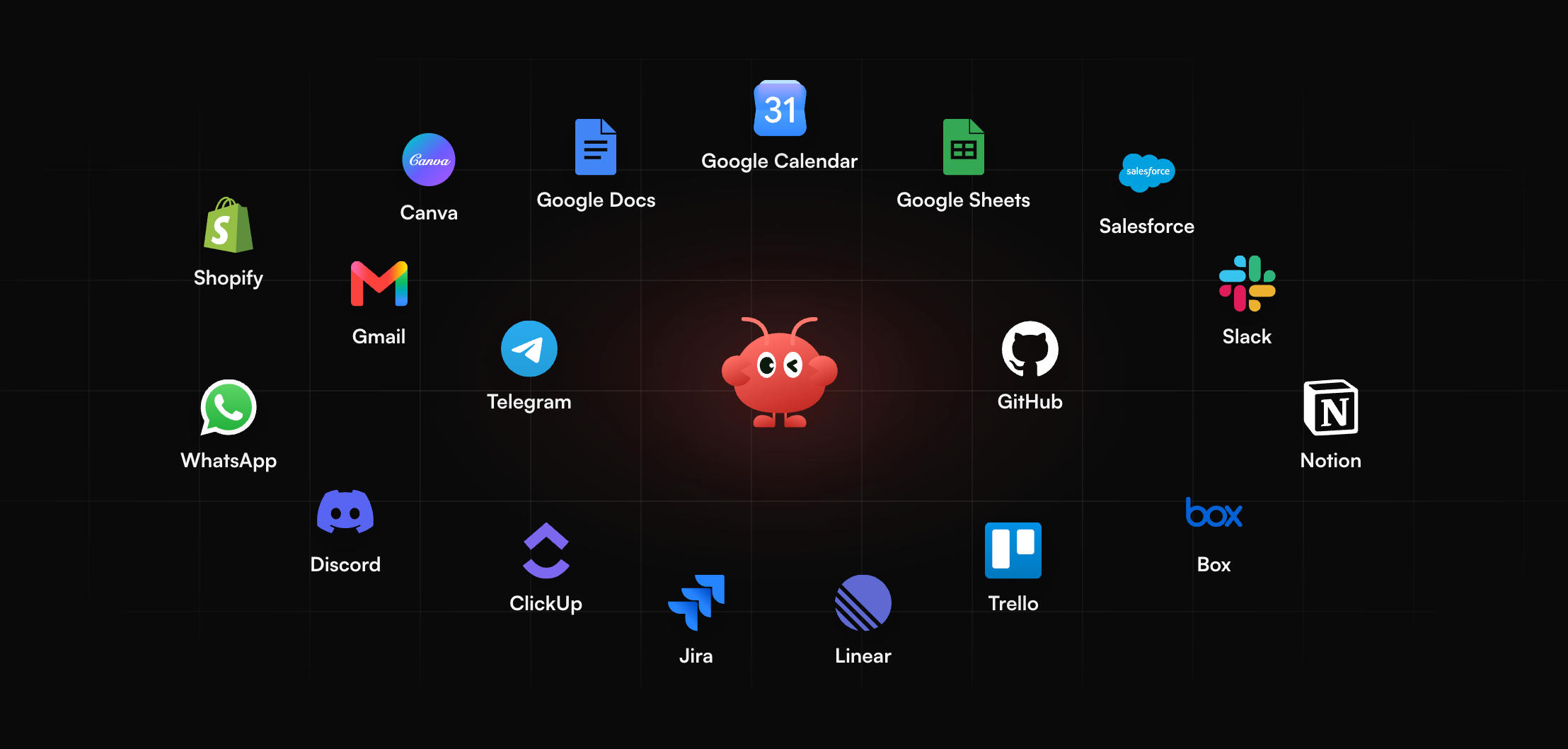
MyClaw provides managed OpenClaw hosting for a private, always-on agent. You can supply approved Delve findings manually, then configure the agent to prepare briefs and check relevant public sources on a schedule.
- Bring a focused audience brief. Start your OpenClaw instance on MyClaw and provide the target segment, approved findings, supporting evidence, and campaign goal. Label unresolved assumptions.
- Define a useful weekly output. Configure the necessary tools and request a brief containing competitor changes, two messaging ideas, and questions needing review. Specify the sources and format.
- Schedule the follow-through. Set a weekly check of approved public pages and have the agent update the brief. Keep campaign publishing and consequential decisions subject to your review.
Once the setup objection is confirmed, the brief could track how competitors describe onboarding and propose copy addressing that concern. Each proposed change should point back to the customer finding or public source that prompted it.
Check current MyClaw pricing for hosting, and budget any model or tool usage separately from Delve AI. Add this workflow when recurring preparation and monitoring justify the extra cost.
Is Delve AI Worth It?
Delve AI is worth evaluating if you already have audience evidence but struggle to organize it into segments and research questions. Begin with the free tier, then choose the smallest paid scope that can answer one defined question.
If you lack customer evidence, invest in collecting it first. If useful findings are already sitting unused, focus on marketing workflow automation that turns them into maintained briefs and reviewable campaign work. Buy for the bottleneck you can actually identify.
Skip the Setup, Run Best-in-Class AI Agents Now
Launch a managed OpenClaw or Hermes Agent workspace in minutes, with always-on hosting, updates, and support handled by MyClaw.