GLM 5.2 vs Qwen 3.6: Context, Coding Agents, and When to Pick Each

By Olivia Hart
MyClaw Editorial
MyClaw
Run Best-in-Class AI Agents Now
Run OpenClaw or Hermes Agent on managed MyClaw hosting, so your AI agent stays online, updated, and ready for real work.
AI Takeaway
- What does glm 5.2 vs qwen 3.6 mean on today’s SERP? A cross-vendor pick between Z.ai’s GLM-5.2 long-horizon open flagship and the Qwen3.6 line—usually the open Qwen3.6-27B card, not Image SKUs.
- Biggest product split? Deploy weight and modality: GLM-5.2 is a 753B-param MIT text flagship with a solid 1M context (Z.ai blog and HF card, Jun 16, 2026 line) versus a 27B dense vision-language model with 262K native context (HF Qwen3.6-27B, April 2026 citation).
- Which official scores first? Exact cards only—GLM-5.2 Terminal-Bench 2.1 (Terminus-2) 81.0, SWE-bench Pro 62.1, FrontierSWE Dominance 74.4 (Z.ai blog); Qwen3.6-27B SWE-bench Verified 77.2, SWE-bench Pro 53.5, Terminal-Bench 2.0 59.3 (HF card). Different harnesses are not a matched rematch.
- When pick which? GLM-5.2 for long-horizon text coding agents and native 1M trajectories; Qwen3.6-27B for a smaller self-host footprint and image or video in the same chat.
- Where MyClaw fits? Always-on OpenClaw/Hermes agents for scheduled digests, repo watchers, and ops hygiene on models you already use—without treating GLM-5.2 or Qwen 3.6 as the host catalog.
GLM 5.2 vs Qwen 3.6 at a Glance
A glm 5.2 vs qwen 3.6 decision is mostly about deploy weight, context shape, and whether vision belongs in the same loop. On one side is Z.ai’s June 16, 2026 long-horizon text flagship; on the other is the Qwen3.6 open line. The practical open card most comparison pages use is Qwen3.6-27B (HF citation month April 2026). Hosted Plus (1M context), open 35B-A3B, and Max-Preview siblings sit in the same family; for the 27B versus 35B map, see Mistral Small 4 vs Qwen 3.6.
It is rarely a same-size rematch. GLM-5.2 is a flagship MoE-scale open weight aimed at messy, multi-hour coding and agent trajectories. Qwen3.6-27B is a dense multimodal worker you can place on a smaller cluster while still keeping vision in the loop. Name the SKU in tickets and eval sheets so Plus or 35B-A3B numbers never quietly replace the 27B card.
| Dimension | GLM-5.2 | Qwen3.6-27B (default open card) |
|---|---|---|
| Vendor / access | Z.ai / Zhipu; weights on HF/ModelScope + API | Qwen / Alibaba; weights on HF + API options |
| Scale (vendor/HF) | 753B params (HF card) | 27B dense (HF card) |
| Context | Solid 1M tokens (Z.ai blog Jun 16, 2026) | 262,144 native; extensible to ~1,010,000 (HF) |
| Modalities | Text / long-horizon coding focus (Z.ai blog) | Text + image + video (HF card) |
| License | MIT (Z.ai “Pure Open”) | Apache 2.0 (HF) |
| Coding score examples | Terminal-Bench 2.1 81.0; SWE-bench Pro 62.1 (Z.ai/HF table) | Terminal-Bench 2.0 59.3; SWE-bench Pro 53.5; SWE-bench Verified 77.2 (HF) |
Treat Terminal-Bench 2.1 versus Terminal-Bench 2.0, and SWE-bench Pro versus SWE-bench Verified, as labeled rows from different cards—not a single bake-off that crowns a winner. Quote the vendor date and harness name whenever you reuse a number in a design doc or vendor review.
What GLM-5.2 Optimizes For
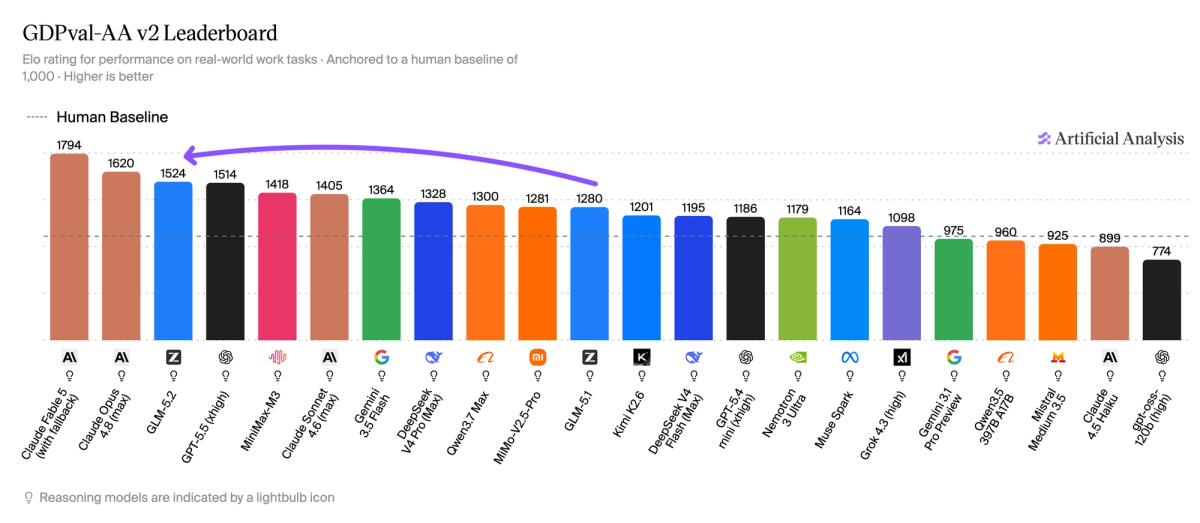
GLM-5.2 is Z.ai’s Jun 16, 2026 flagship for long-horizon tasks: a solid 1M-token context, MIT “Pure Open” weights, and coding effort levels that trade latency for depth. The HF card lists 753B params. Z.ai’s published table (mirrored on HF) puts Terminal-Bench 2.1 (Terminus-2) at 81.0, SWE-bench Pro at 62.1, FrontierSWE Dominance at 74.4 as of 2026/06/16, PostTrainBench at 34.3, SWE-Marathon at 13.0, GPQA-Diamond at 91.2, HLE at 40.5, and MCP-Atlas (public set) at 76.8.
Use those rows when the work looks like multi-file repairs, terminal loops, and tool-heavy sessions that must stay coherent across a long window. The same Z.ai blog calls out IndexShare (reusing an indexer across sparse attention layers) and MTP changes that raise speculative-decoding acceptance length by up to 20% in their ablation—details that matter for long trajectories more than for short chat turns. Effort settings let you push harder on tough tickets and ease off when latency budgets tighten.
Serving is heavyweight: the HF card lists SGLang, vLLM, Transformers, KTransformers, Unsloth, and Ascend stacks. Plan GPU budget, batching, and throughput before you treat GLM-5.2 as a drop-in for a 27B dense worker. If you already run GLM-5.2 and want the later Z.ai upgrade path, read GLM-5.3 vs GLM-5.2. Leave GLM 5.3 Prime and later GLM-versus-Qwen rematches on their own posts.
What Qwen 3.6 Optimizes For
Qwen3.6-27B is the default open weight here: a Causal LM with a vision encoder, 27B dense parameters, Apache 2.0, 262,144 native context, and YaRN notes that extend toward about 1,010,000 tokens on the HF card (April 2026 citation month). Language-table figures include SWE-bench Verified 77.2, SWE-bench Pro 53.5, Terminal-Bench 2.0 59.3, MMLU-Pro 86.2, GPQA Diamond 87.8, HLE 24.0, and LiveCodeBench v6 83.9. Multimodal rows such as MMMU 82.9 and VideoMME (with subtitles) 87.7 cover image and video in the same agent loop—a lane the Z.ai GLM-5.2 blog frames around text and long-horizon coding instead.
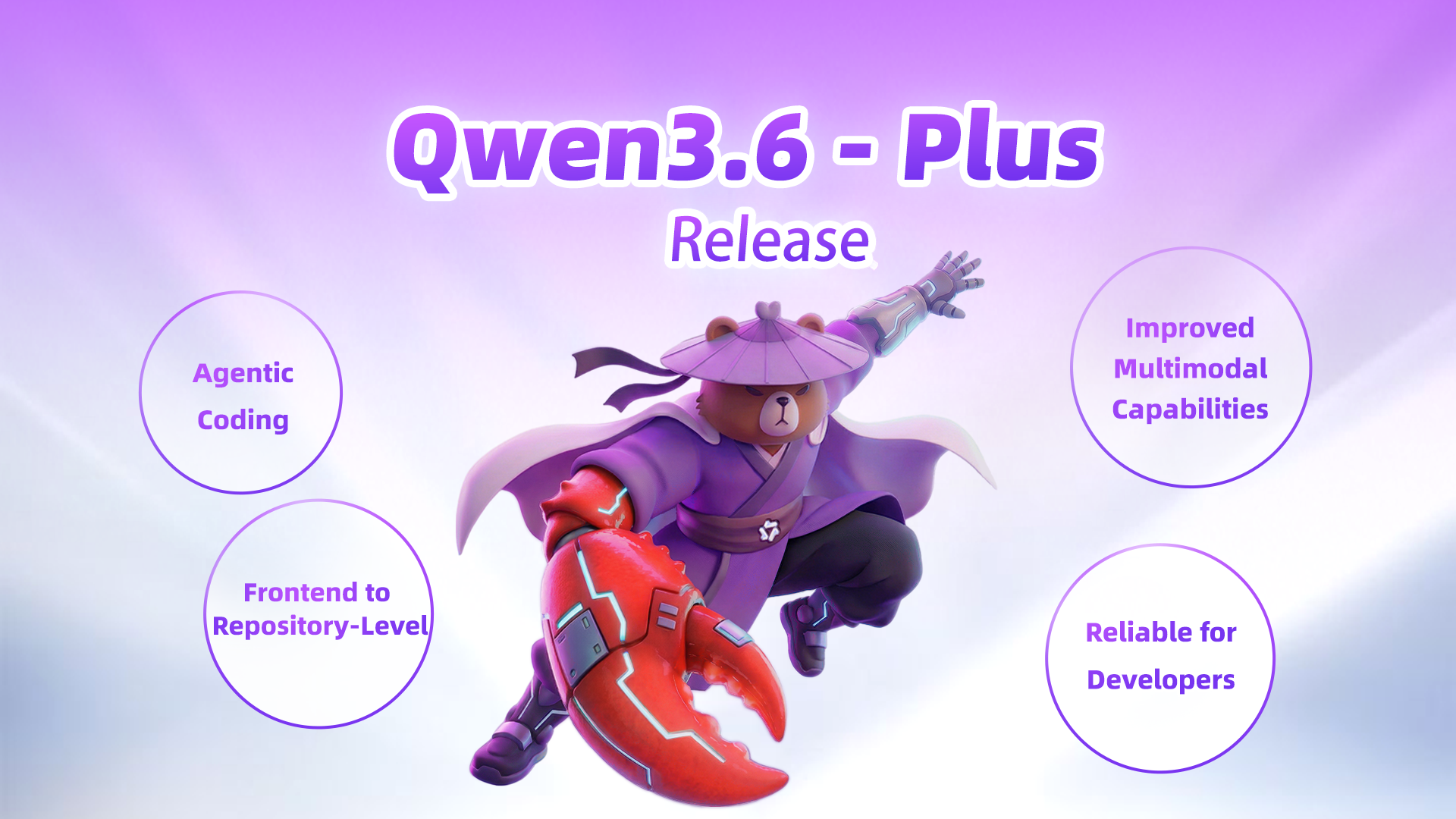
That mix fits teams that want a practical self-host size, multimodal inputs, and Apache redistribution without standing up a 753B-class stack. Version prompts, tool schemas, and stop sequences per SKU: a Plus hosted 1M endpoint or an open 35B-A3B worker can feel similar in chat while shifting context and active-parameter behavior. Label siblings explicitly instead of collapsing the whole Qwen3.6 line into one score. For the next Qwen family fork only, see Qwen 3.8 vs 3.6.
When to Pick Each
If you are sorting qwen 3.6 vs glm 5.2 for a production default, start from the job shape, not a single leaderboard cell.
Pick GLM-5.2 when the job is long-horizon text coding or agent engineering on a native 1M window, you want the MIT redistribution story, and you can serve a flagship-size MoE stack. Lean on the dated Z.ai coding and agentic rows—Terminal-Bench 2.1, SWE-bench Pro, FrontierSWE, MCP-Atlas—when those harnesses match your own evals. Budget time for memory, speculative decoding, and harness parity before you trust a published Terminal-Bench figure against your internal suite. A week of overnight agent runs on one frozen ticket set beats arguing from mismatched public rows.
Pick Qwen3.6-27B when you need a denser 27B footprint, image or video alongside text, and Apache 2.0 weights that fit a smaller cluster or a faster rollout. Use the HF SWE-bench Verified / Pro and Terminal-Bench 2.0 figures as orientation, then re-run tools, stop sequences, and thinking or preserve_thinking flags after any swap. If screenshots, UI traces, or short clips are first-class inputs, start on the multimodal card even when a text-only flagship posts higher coding rows on a different harness.
Many teams keep both: GLM-5.2 on long text agent lanes, Qwen3.6-27B on multimodal triage and lighter self-host workers. When neither SKU is locked and you are still mapping the broader mainland open-model landscape, start with Best Chinese AI Model before you freeze production defaults.
Automate Agent Hygiene Without Extra Servers
Published scores help only if an agent keeps applying them: overnight repository digests, failed-job queues, stale pull-request lists, and docs or link watchers. Schedule, permissions, and retry policy matter as much as the model card—especially when a 1M text trajectory model and a multimodal 27B worker see different tool schemas. Freeze one evaluation pack (same repos, timeouts, and stop rules) before you swap SKUs, then compare interventions and unfinished runs rather than chat vibes alone.
Wire that loop with OpenClaw Getting Started, then compare managed agent hosting patterns in Best Hermes Agent Hosting so the hygiene jobs keep running after the laptop closes.
Run Always-On Agents With MyClaw
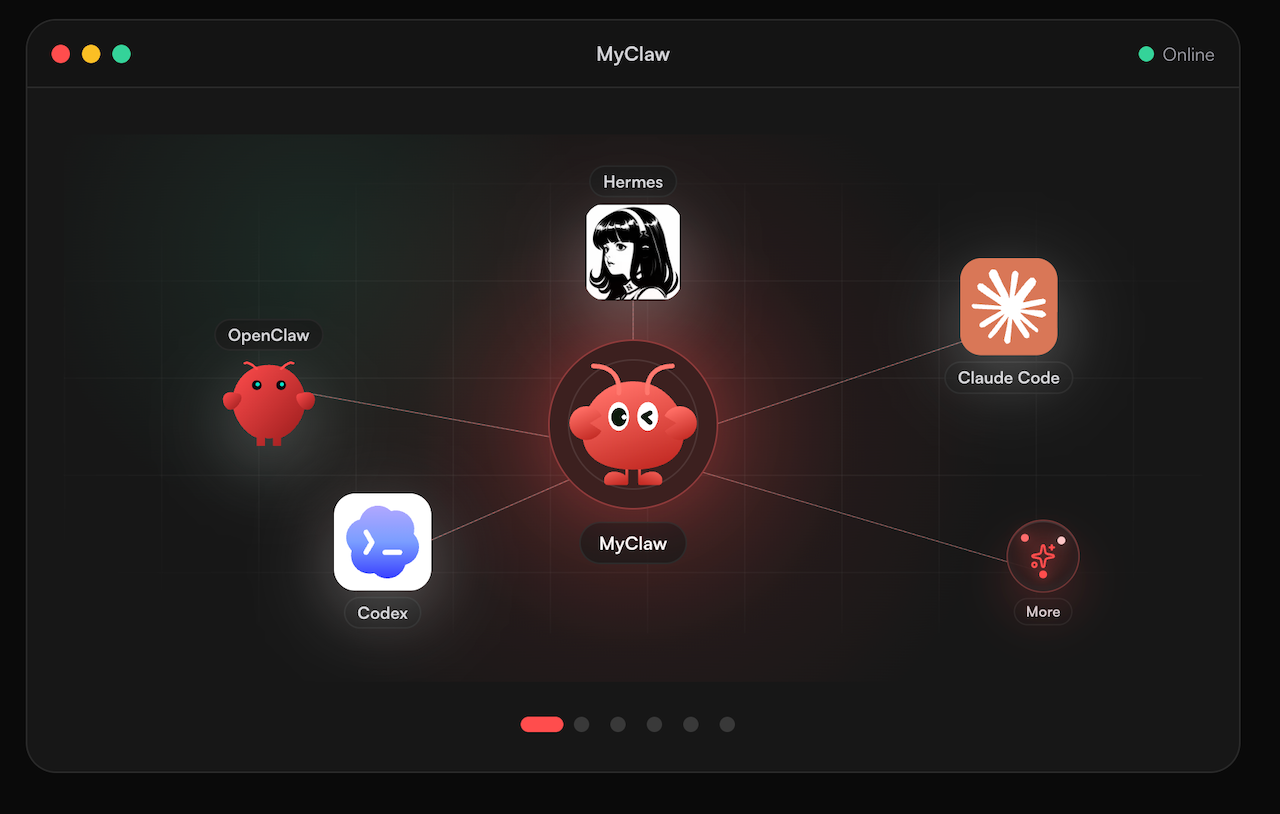
MyClaw is managed OpenClaw/Hermes agent hosting: always on, scheduled jobs, no server for you to babysit. It works with most popular models you already use.
A tech lead can park an overnight repository digest that lists failing CI jobs, stale pull requests, and docs pages returning errors, then drops the summary in chat before standup. An ops owner can schedule a weekday morning hygiene pass—broken internal links, expired runbook steps, queues past a retry threshold—and a Friday research digest that pulls only sources the team already approved. Connect the models and skills you have permission to use; expand later when the jobs are stable.
- Create a MyClaw workspace and connect the models and skills you are already authorized to use.
- Define the recurring work—repo digests, link checks, pipeline or queue hygiene—and attach schedules so the agent keeps running after you close the laptop.
- Review logs and tighten prompts or tools as the jobs stabilize; change models only when you are ready to re-validate the same evaluation set.
Conclusion
GLM 5.2 vs Qwen 3.6 is a cross-vendor cut: Z.ai’s Jun 16, 2026 MIT text flagship with a solid 1M context and heavyweight long-horizon coding scores, versus Qwen3.6-27B’s April 2026 open multimodal 27B card with 262K native context. Cite exact harness names and dates—Terminal-Bench 2.1 versus 2.0, SWE-bench Pro versus Verified—and pick for trajectory length, modality, and serve budget. Flip the question to qwen 3.6 vs glm 5.2 when stakeholders lead with the denser multimodal SKU; the same dated cards still apply. For always-on digests and hygiene around that choice, MyClaw keeps OpenClaw/Hermes agents scheduled on the models you already run.
Skip the Setup, Run Best-in-Class AI Agents Now
Launch a managed OpenClaw or Hermes Agent workspace in minutes, with always-on hosting, updates, and support handled by MyClaw.