GPT Rosalind vs Claude Science: Model Gate vs Workbench

By Olivia Hart
MyClaw Editorial
MyClaw
Run Best-in-Class AI Agents Now
Run OpenClaw or Hermes Agent on managed MyClaw hosting, so your AI agent stays online, updated, and ready for real work.
AI Takeaway
- What is the core GPT Rosalind vs Claude Science difference? Rosalind is a trusted-access life-sciences model; Claude Science is a beta workbench app on your plan’s Claude models (OpenAI system card, Oct 30, 2026; Anthropic docs and product, Nov 1, 2026).
- Is Claude Science a separate science model? No — Anthropic states it is not a new model; it runs the Claude models your plan already includes (product page, checked Nov 1, 2026).
- Who can access GPT-6 Rosalind Research? Limited approved Research orgs in Work and Codex, plus separately approved API — not Chat (OpenAI Help).
- How is Claude Science priced? Included in Pro, Max, Ultra, Team, and Enterprise; usage shares plan limits; Free excluded (docs, Nov 1, 2026).
- How do I keep overnight research-agent jobs running? Host OpenClaw or Hermes on MyClaw — always on, scheduled, no server work, most popular models.
GPT Rosalind vs Claude Science: Model vs Workbench
GPT Rosalind vs Claude Science is a product-type choice, not a single-score race. GPT-6 Rosalind Research is OpenAI’s life-sciences Research deployment — system card GPT-Rosalind-6, API ID gpt-6-rosalind, addendum October 30, 2026. It uses the same weights as GPT-6 Astra, with no added training for this release; what changes is the trusted-access gate and Research refusal posture. For the parent flagship, see our GPT-6 Astra review.
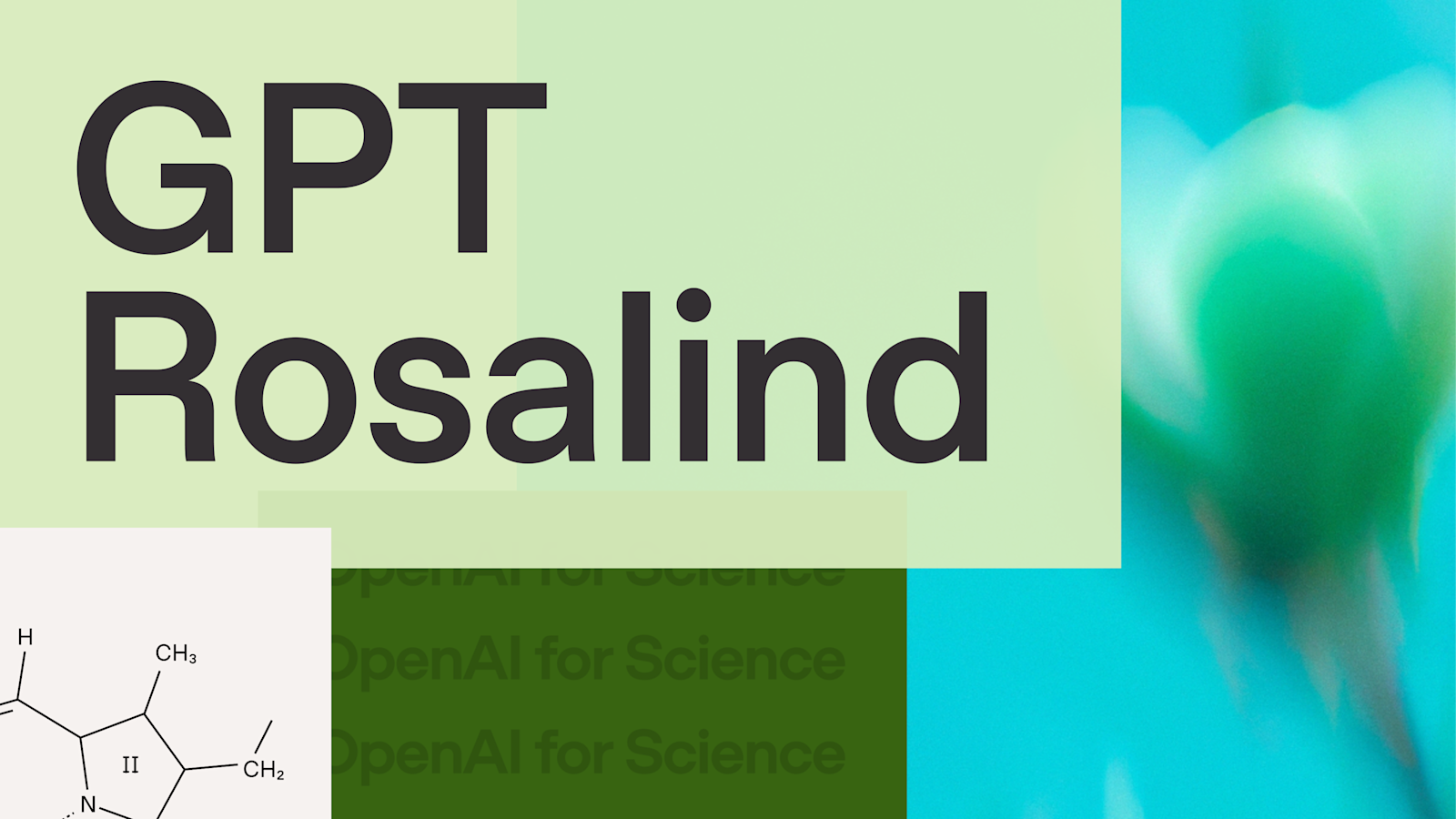
Claude Science is a different object. Anthropic launched it on June 30, 2026 as an AI workbench for scientists: a desktop app that pairs Claude with a local analysis environment, sandbox code (Python, R, or shell), scientific database connectors, versioned artifacts with provenance, and a background reviewer that checks claims against the execution record. Anthropic states it is not a new model — it runs the Claude models included in your plan.
One side is a gated specialist model ID. The other is a beta workbench on plan-included models and compute you already control.
Side-by-Side: GPT Rosalind vs Claude Science
| Dimension | GPT-6 Rosalind Research | Claude Science (beta) |
|---|---|---|
| What it is | Trusted-access life-sciences model (same weights as GPT-6 Astra) | Desktop workbench app on plan Claude models (not a new model) |
| Announced / status | System card Oct 30, 2026 (GPT-Rosalind-6); Research rollout | Public beta Jun 30, 2026; docs list macOS, Windows, and Linux |
| Access | Trusted-access Research; Work + Codex; API separate; not Chat tab; Discovery ≠ Research | Pro / Max / Ultra / Team / Enterprise; Free excluded; Team / Enterprise Owner enable (Team-for-scientists on by default) |
| Pricing shape | API Standard short-context list $15 / $75 / $1.50 cached (gpt-6-rosalind); long-context uplift; Astra Standard $10 / $50 | Included in the plan seat — nothing separate to buy; usage toward shared plan limits; Modal / SSH billed by those services |
| Compute / data posture | Hosted OpenAI products / API for approved orgs | Local sandbox; approve folders, hosts, and jobs; remote SSH / Modal; files stay on your computer |
| Domain tooling | Life-sciences Research workflows in Work / Codex / API | 60+ curated skills and connectors (genomics, single-cell, proteomics, structural biology, cheminformatics) |
| Public head-to-head | No shared independent leaderboard vs Claude Science | No standalone Claude Science model score; vendor cases and third-party app write-ups only |
Do not average Rosalind’s vendor benches with Claude Science case studies — they measure different things.
Access Limits for GPT Rosalind vs Claude Science
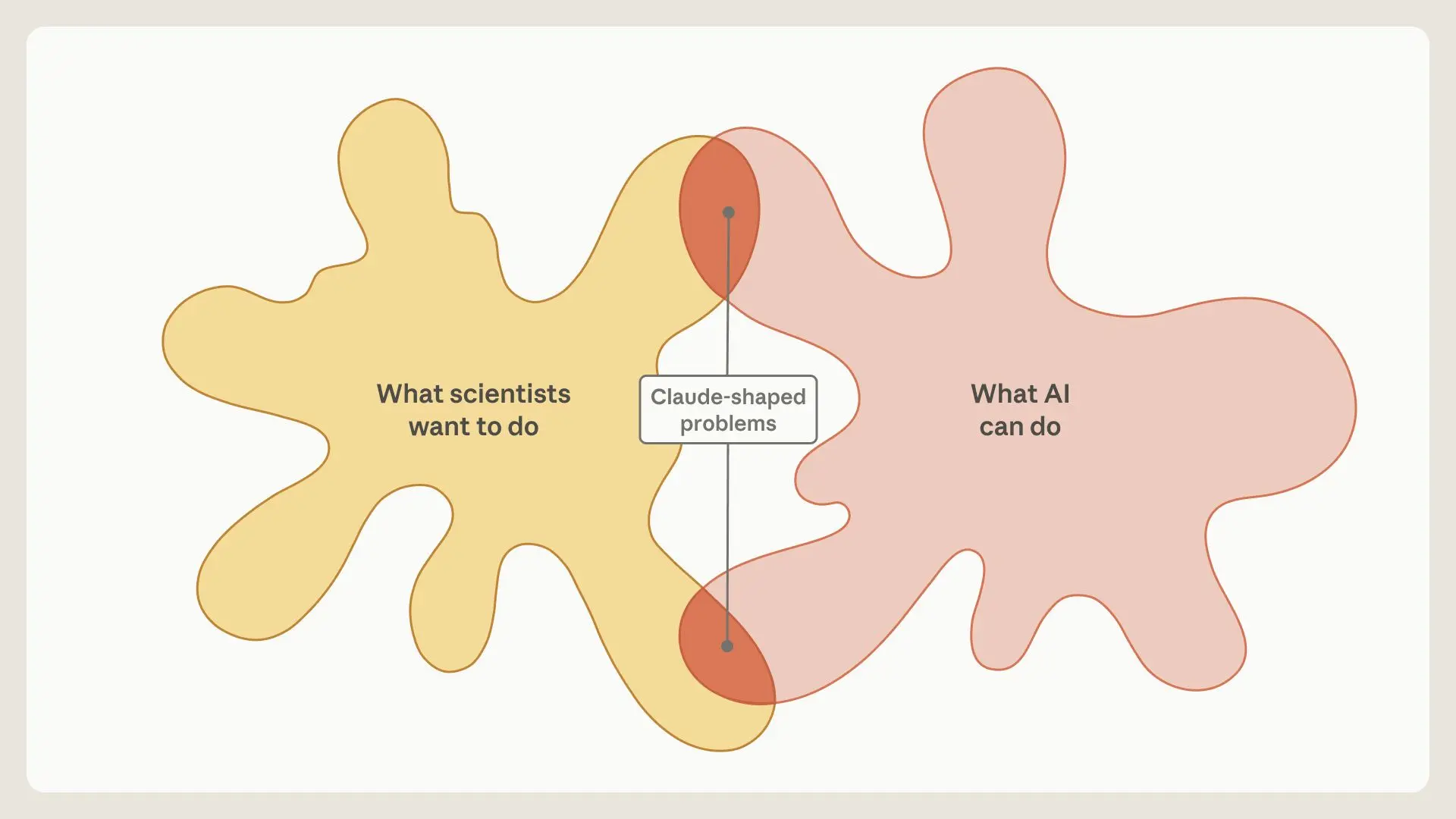
Rosalind access is a trusted-access review, not a self-serve toggle. Research and Discovery are separate: Discovery does not unlock GPT-6 Rosalind Research. Research is for limited approved orgs in Work and Codex, and the API only where separately approved — not the Chat tab. The Rosalind Academic Plan excludes API access. Enterprise starts a two-week Admin Preview, off by default. OpenAI expects least-privilege controls and human review before consequential use. Under the Preparedness Framework, the launch is High in Biological and Chemical capability (below Critical) and Critical in Cybersecurity. For OpenAI’s mid-tier Sol line against other GPT-6 cuts, see our GPT-6 Sol review.
Claude Science access rides your Claude plan. Docs (Nov 1, 2026) require Pro, Max, Ultra, Team, or Enterprise — Free is out. On Team and Enterprise, an Owner must enable it; the Team plan for scientists has it on by default. Beta OS matrix: macOS 13+, Windows 11 (x64), Linux x64 (glibc), about 5 GB free disk, plus Linux sandbox prerequisites. You approve each new folder, network host, and remote job. Docs call it a research tool, not for clinical or diagnostic use; the reviewer reduces errors but does not re-run analyses.
Benchmarks: Evidence Gaps in GPT Rosalind vs Claude Science
OpenAI’s GPT-Rosalind-6 system card (Oct 30, 2026) reports highest-budget vendor scores against matched GPT-5.5 re-runs: MedChemBench v7 49.6% vs 28.9%; GeneBench Pro v13 37.7% vs 16.7%; LifeSciBench Gold 61.3% vs 44.0%. Those figures describe Rosalind as a model under OpenAI’s own protocols. Artificial Analysis Index had no Rosalind listing when checked Nov 1, 2026. For Sol vs Astra on coding and agents — a different axis — see GPT-6.1 Sol vs GPT-6 Astra.

Claude Science publishes no standalone science-model leaderboard. Launch materials stress connectors, provenance, and lab cases — not a MedChemBench-style percentage. There is no public independent head-to-head on one shared scoreboard. Treat vendor numbers as labeled evidence for one product type; you cannot settle GPT Rosalind vs Claude Science with one percentage.
Pricing Shape: Gate Premium vs Plan Inclusion
Rosalind’s list economics follow the Research / API ladder after approval. OpenAI’s developers pricing (Nov 1, 2026) lists Standard short-context for gpt-6-rosalind at about $15 input / $75 output per 1M tokens (cached input about $1.50). Long-context Standard lists about $30 / $112.50 / $3 cached. GPT-6 Astra Standard short-context sits at about $10 / $50 — same weights, lower list ladder outside Research. For Sol’s place in the GPT-6 family, see GPT-6.1 Sol.
Claude Science’s shape is plan inclusion: Pro, Max, Ultra, Team, and Enterprise with nothing separate to buy, usage toward shared plan limits, and overages via usage credits or admin extra usage. Connected services such as Modal bill you directly. Frame the contrast as a plan-included workbench versus a higher list-rate gated model — not a vague bargain claim. Budget for approval lead time and Admin Preview on Rosalind; budget for plan-limit resets and optional Modal spend on Claude Science.
When to Choose GPT Rosalind vs Claude Science
Choose GPT-6 Rosalind Research when your organization clears trusted access, you need the Research model ID in Work, Codex, or the approved API, and legitimate dual-use-adjacent biology hits Astra refusals that Research is meant to handle under High Bio/Chem controls. Stay on Discovery or Astra for lighter life-sciences help, or if the gate is still closed. For surfaces, limits, and the full Research story, use our GPT-6 Rosalind review.
Choose Claude Science when you want a local sandbox, auditable artifacts, and scientific connectors on a Pro-or-higher plan today — especially when data should stay on your laptop, Linux box, or HPC login node, and the job is iterative analysis or figure/manuscript loops rather than “issue me the gated model ID.”
Many labs will run them as layers, not substitutes: Claude Science (or a similar workbench) for daily analysis on plan models; Rosalind only after Research clears and Astra refusal pain is real. Before you lock a stack, re-check live approvals, Admin Preview defaults, OS installers, and current list rates — all of those move faster than a static comparison post.
Run Research Agent Jobs on MyClaw: 3 Steps
Overnight literature pulls, batch coding agents, and scheduled research jobs still need a host that stays up after the interactive science session ends. MyClaw is managed OpenClaw / Hermes hosting: always on, scheduled jobs, no server work on your side, and it works with most popular models. This post does not claim MyClaw runs GPT-6 Rosalind Research or Claude Science.
- Open MyClaw and start a managed agent workspace — skip VPS setup, process babysitting, and one-off reboot scripts.
- Point the agent at your research workflow — repos, notes, or pipelines you already trust; keep secrets in your own vaults and approve what leaves the box.
- Schedule the job and leave it running — digests, batch evals, or multi-hour tool loops keep going while you step away.
Use MyClaw when the bottleneck is uptime around either product’s interactive session — not when you are still picking which science stack to buy.
Conclusion
Settle GPT Rosalind vs Claude Science on category first. Rosalind is a trusted-access life-sciences model — same weights as GPT-6 Astra, Research-only surfaces, vendor benches vs matched 5.5, higher Standard list ladder than Astra. Claude Science is a beta desktop workbench on plan-included Claude models: local sandbox, provenance, shared plan usage — not a rival model scoreline. Match the gate and the workflow, re-check live access and rates, then park always-on agents on MyClaw with most popular models when uptime — not the science product itself — is the layer you still need.
Skip the Setup, Run Best-in-Class AI Agents Now
Launch a managed OpenClaw or Hermes Agent workspace in minutes, with always-on hosting, updates, and support handled by MyClaw.